Why Event Documentation Can Be More Valuable Than the Performance Itself
Great shows often go unnoticed. If you’ve ever created something brilliant only for a handful of people to see it, you know how disappointing that can feel. Performance art marketing helps solve that by making sure your work reaches people beyond the room.
This article explores how photos, videos, reviews, and archived content help performance artists build months of online visibility from a single event. We’ve built enough performer websites at No Budget Performance to know which documentation habits bring in bookings and which ones get ignored.
By the end, you’ll know precisely what to capture, where to share it, and how to make every show work harder for your career.
What Is Performance Art Documentation and Why Does It Outlast the Show?
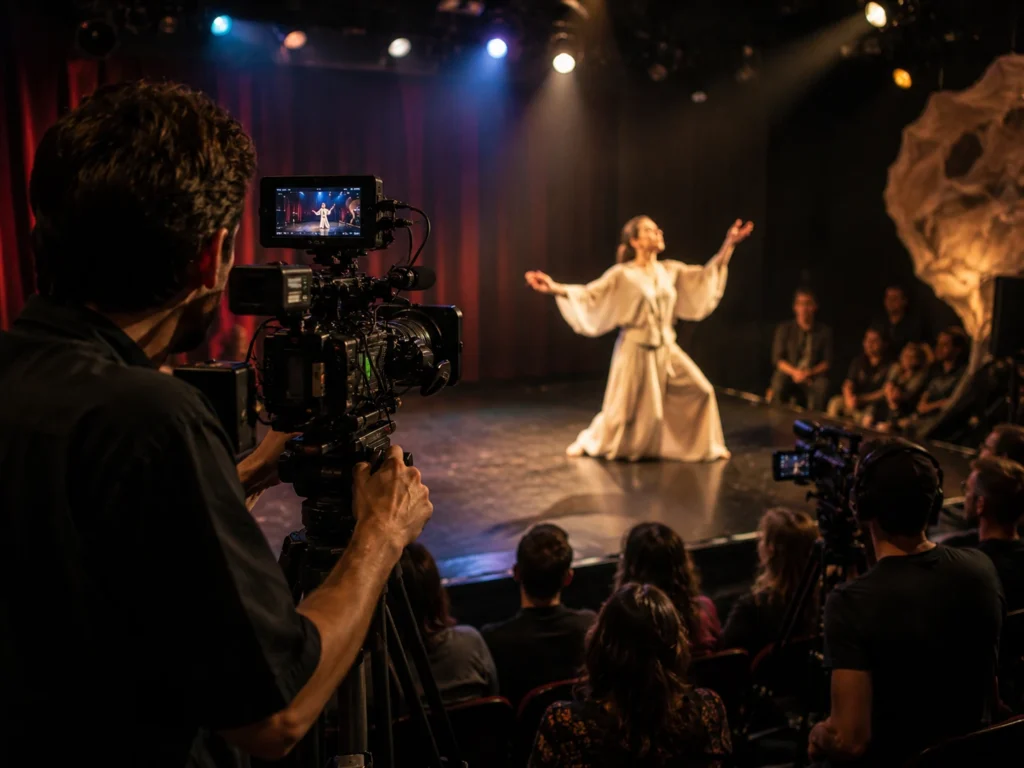
Performance artwork outlasts the show because digital content attracts new viewers, bookers, and opportunities months after the event. A recorded piece is searchable online long after the exhibition closes, which means people discover your work on their own timeline.
In fact, organisations like Creative Australia highlight how documenting creative work strengthens long-term visibility and professional opportunities for artists. Your art history builds itself, each archived action art event adding another layer to your permanent online record.
Two types of documentation carry the most weight for performers building an online profile:
1. How Video Performance Captures What Memory Can’t
Ever tried to explain a live action to someone who wasn’t there? The artist’s body language, timing, and crowd energy are impossible to translate into words.
Check what a live performance can do if planned wisely:
- Video Performance: Your recording captures raw audience reactions, and the full sense of your stage presence often gets a booker’s attention.
- Short Edited Clips: A 60-second highlight reel gives event organisers a clear picture of what you bring to an engagement without advertising a full recording.
Even a basic phone recording gives you something to share on socials or groups, attach to booking enquiries, and include on your site.
2. Photos, Reviews, and the Archive That Works for You
A well-organised photo and review archive keeps your name in front of promoters, bookers, and grant panels while you focus on creating new work.
Sharp images draw attention across email pitches and social profiles before a single word of your pitch gets read. That visual first impression matters because grant panels and festival organisers often decide whether to look further based on photography alone.
Reviews work differently. Feedback from attendees or local media adds third-party authority that no portfolio image can replicate. When an outside voice confirms your work connected with a live crowd, bookers have the social proof they need to make a decision.
Together, these pieces build a collection that grows your credibility, future engagement, and online reach with every event you publish and document.
Every show you document gains access to a collection that builds credibility, attracts new support, and extends your online reach. Share that collection consistently, and your performance art reaches people who never knew you existed.
Social Media Gives Your Art History a Second Life
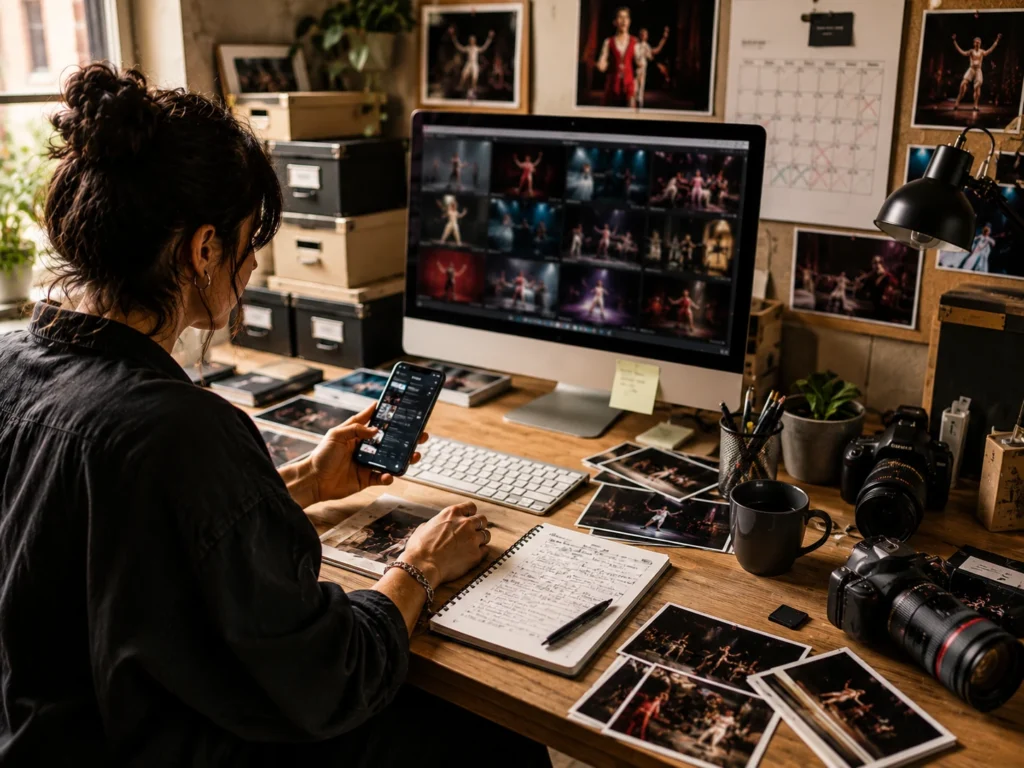
Most performance artists post once after a show and then go silent for weeks. That absence in social media channels reduces viewer attention, and platforms treat inactive accounts as low priority. However, a backlog of documented performance content gives you a publishing schedule without producing anything new.
Three habits separate performers who grow their online presence from those who stay invisible:
- Repost Older Clips Strategically: Footage from a show six months ago is fresh material to anyone who discovered your profile in a group last week. When you schedule those posts, your platforms stay active and influence interested community members.
- Work With the Algorithm: Consistent publishing on Instagram, TikTok, and Facebook signals to the platform that your account deserves wider visibility.
- Tag Everyone Involved: Your screen performance and artwork land in front of entirely new communities when you tag venues, fellow performers, and collaborators on every post.
Build that consistent posting rhythm, and your archived content will keep promoting your work long after each post goes live. And that’s before you even start one performance into clips, highlights, and portfolio pieces.
Repurposing Your Avant-Garde Content: Building a Portfolio That Lasts
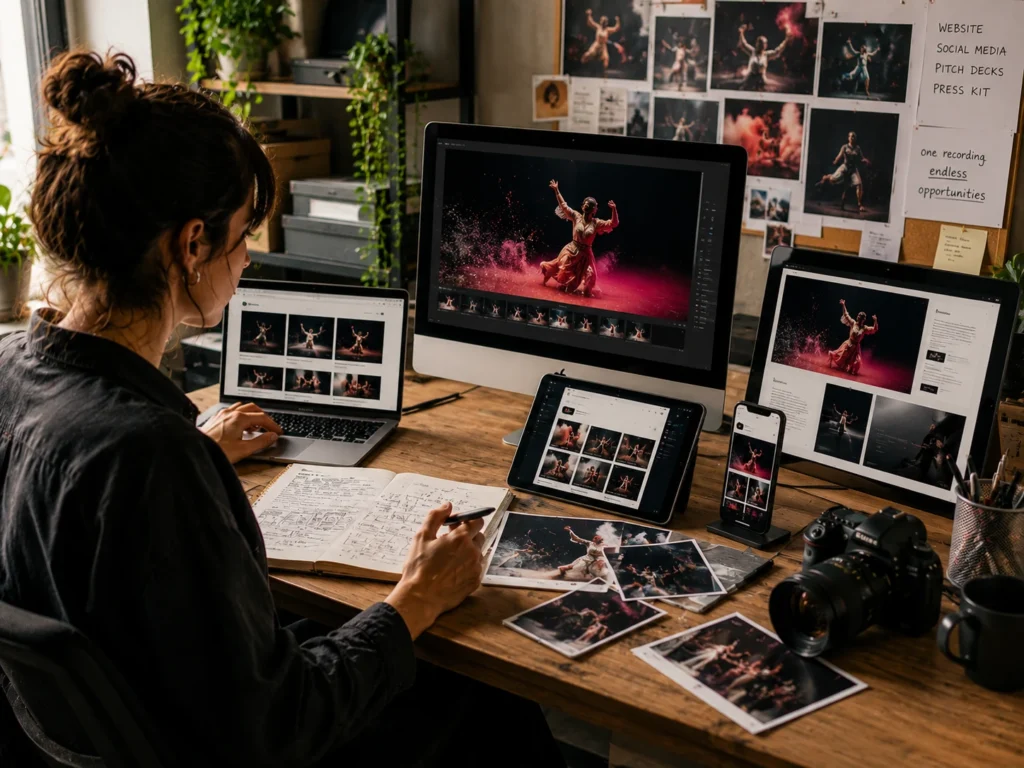
The best part about repurposing avant-garde stage content is that one recording can fill your website, social feeds, and pitch decks all at once. Generally, performers often have hours of raw footage (once it was live action) they never touch after the event. A few deliberate steps can change that footage into months of searchable stuff and shareable material.
Check these approaches that give artists the most visibility and booking opportunities from a single documented event.
One Recording, Multiple Pieces of Content
Let’s look at your last show. That one recording is already three separate pieces of content waiting to be published.
You might trim it into a 90-second highlight reel for your website. You could then pull a behind-the-scenes clip for social media and write up the performance as a short case study for grant applications.
If you’re not sure how to structure this, following artist website design best practices can help you create a clear, professional portfolio from raw content.
How Context Turns Raw Footage Into a Career Asset
Raw footage on its own doesn’t tell anyone much. So add a date and a venue name to start. Then write two sentences describing what your performance art explored, and that clip becomes a searchable reference point. Funding bodies such as Creative Australia often assess this kind of contextualised material when reviewing grant applications and artist portfolios.
Ready to Let Your Work Speak Long After the Curtain Drops?
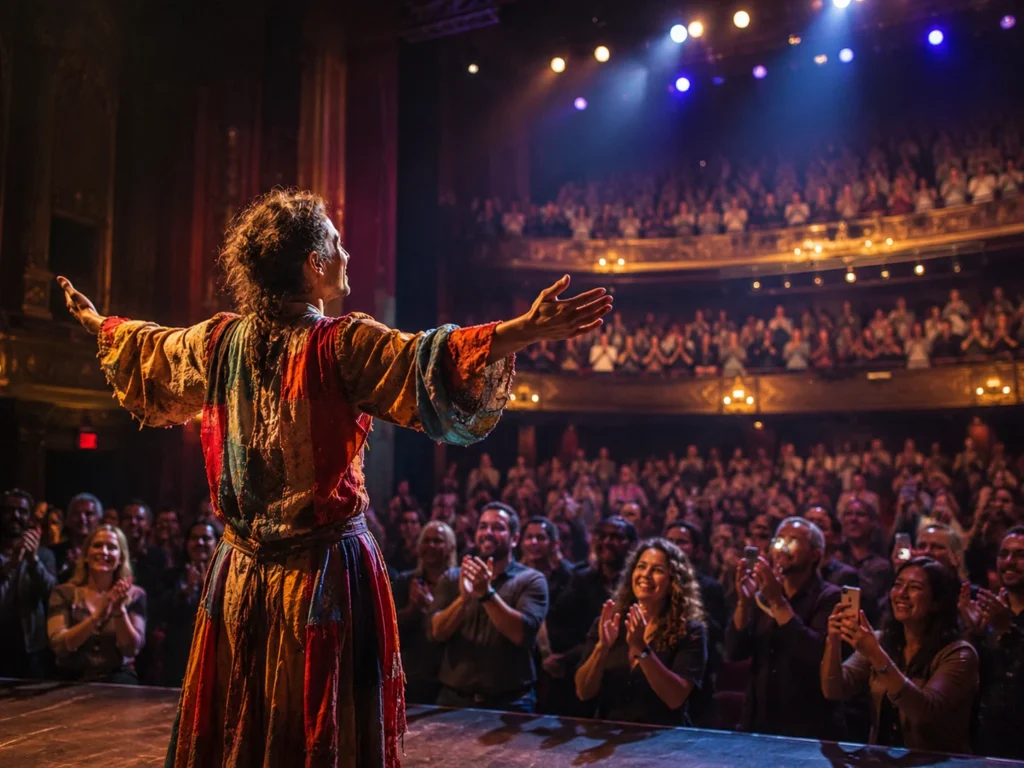
Documentation plays an important role in carrying on legacy and cultural heritage. Photos, videos, and archived content from a single event deliver messages to new audiences even after years. That reach translates into more bookings, stronger credibility, and a growing online presence over time.
With that foundation in place, here’s your next step. Record each show in full, capture a few strong photos, and edit a short highlight clip. Add a clear description, event details, and main moments.
Next, publish the full piece on your website, then share the highlights across your social channels within 24–48 hours. Repeat this process after every performance to build a consistent library of content over time.
As your content library grows, your website becomes one of your most valuable marketing tools. Business Queensland, a government resource supporting small businesses and creatives, highlights how a well-designed website drives digital growth and visibility through helpful content.
If you want a performer website built to display and promote that content properly, get in touch with our team and get your work to the audience it deserves.