How Performance Artists Can Turn Website Visitors Into Event Attendees
As a performance artist, you can turn website visitors into event attendees by building interest in your show and making tickets easy to find.
And if you’re not sure how to do that, don’t worry. We’ll show you how to use your website to build excitement, guide visitors toward your event, and make booking tickets feel like the obvious next step.
Performance Artist Websites: The Pages That Keep Visitors Interested in Your Live Art
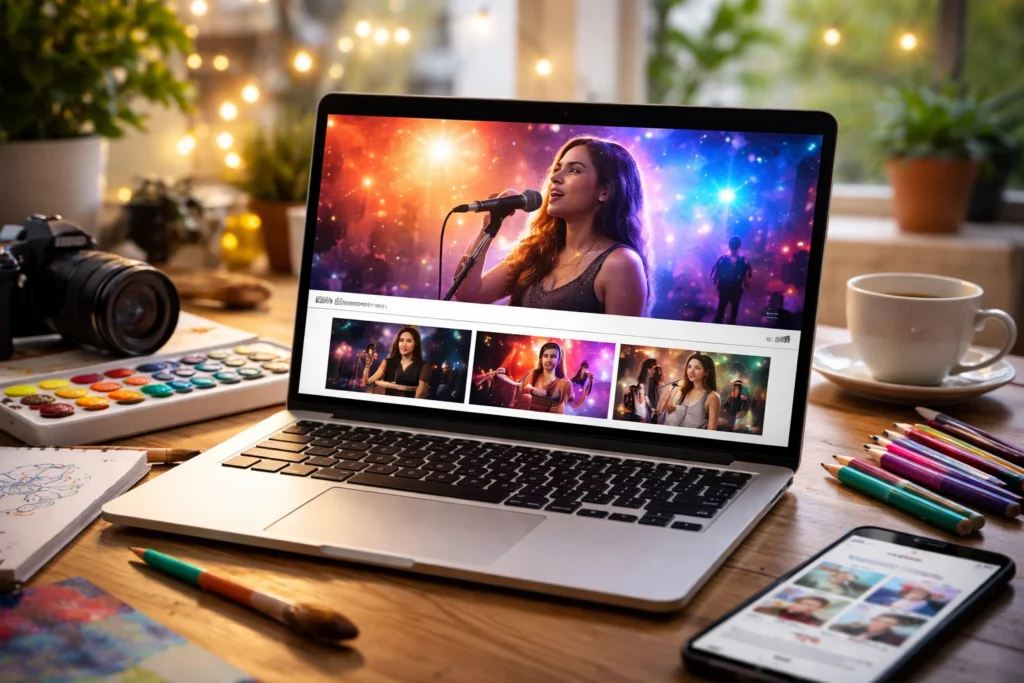
Getting people to your performance artist website is only the first step. The harder part is keeping them interested long enough to find a show and decide to attend. You can make that easier with three pages: a compelling homepage, an events page for upcoming shows, and a gallery that showcases your performances.
We’ll look at each one and show you what to include.
Make Your Homepage Show What Your Performance Art Is About
Your homepage is often the first place potential attendees see your work. If it’s cluttered, vague, or makes people hunt for your next show, they may leave before they see what you have to offer.
To avoid that, put your upcoming performance front and centre. You don’t need a complicated design. Start with one large image, roughly the width of the main content area, with the date, venue, and a clearly visible ticket button alongside it. This immediately tells visitors what you do and gives them an easy way to attend.
Once you’ve made that first impression, give visitors a little more context as they scroll. Use two or three lines to explain your work and mention whether you focus on durational performance, street work, gallery pieces, or other forms. This will help people understand what they can expect from your performances.
Keep your menu simple, too: Home, Events, Gallery, About, and Contact. Put your Privacy Policy and a short rights reserved line in the footer rather than adding them to the main navigation.
One simple test can tell you if the page works: open it on your phone and see how quickly you can find the next event and its ticket button. If you have to look for them, your visitors probably will, too.
Build an Events Page With Dates, Times, and Ticket Links
Okay, you’ve given your visitor a reason to attend. What’s next? They need a page that gives them everything they need to decide and book: your events page.
Each listing should include the date, start time, suburb, ticket price, and a booking link that takes them straight to checkout. You don’t want an interested visitor clicking through several pages just to find where to buy a ticket.
List the run time as well, especially if you’re putting on a durational performance that could last six hours. People need to know how much time to set aside. Name the specific room or space too, such as the upstairs performance lab at a local pub.
After each show, move the listing into a past events archive with photos and a line about the project. Over time, this gives new visitors a record of your performances and shows that people have actually turned up to see your work.
Create a Gallery That Shows Your Performance Art in Action
You might be wondering, “Do I really need a gallery on my website?” Yes. Your events page tells visitors what you’re doing next, but your gallery shows them what your work actually looks and feels like.

That becomes especially important with performance art. A performance disappears once the event ends, so photos and video give visitors something they can see before deciding to attend your next show.
You don’t need dozens of images, either. Choose around 12 sharp photos that show different parts of your work rather than filling the page with every image you’ve collected. Add one short film clip, too, so visitors can experience the movement, sound, and audience response that still images can’t capture.
Caption each work with its title, year, and venue. Keep those details brief, but give visitors enough context to understand what they’re looking at.
Use Your Performance Art Archive to Build Interest in New Shows
Your performance art archive is one of the most useful parts of your website, yet it’s easy to treat it as a place for old work that nobody needs to see.
Think about it from a visitor’s perspective. They find your upcoming performance and want to decide whether it’s worth attending. Seeing photos, videos, and short descriptions of your previous work gives them a better idea of what they can expect from you.
That makes your archive useful for promoting new shows as well. When an upcoming performance builds on something you’ve done before, link visitors to that earlier work from the event page. You can also reuse photos or short clips from past performances in your event pages and promotional posts.
Don’t let those older performances disappear once an event ends. Keep them in your archive so visitors who find your work months later can explore what you’ve done and find out when you’re performing next.
Give Visitors a Clear Way to Book Your Performance
You’ve shown visitors your work, helped them find an upcoming performance, and given them a reason to attend. Now it’s time to give them a clear way to book. Don’t make them send an email and wait for a reply when they’re ready to buy a ticket.
We’ve seen artists lose potential attendees simply because they relied on a contact form. The visitor has to ask about dates, prices, or availability, then wait for an answer. By the time you reply, they may have lost interest or made other plans.
That’s why a dedicated booking or ticket page can help. Give visitors the information they need and make the next step obvious. Your page should cover the basics below:
| What the visitor wants | Contact form | Booking page |
|---|---|---|
| A ticket for Friday | Waits on your reply | Pays in under a minute |
| To book an exhibition performance | Sends a vague message | Picks date, budget, and place |
| Access or venue details | Emails, then waits | Reads what’s listed |
One small detail can make the page easier to use: put the ticket or booking button near the top of the page, then repeat it after the event details. That way, visitors can book when they’re ready without scrolling back up to find the button.
Use Email and Social Media to Bring Visitors Back to Your Site
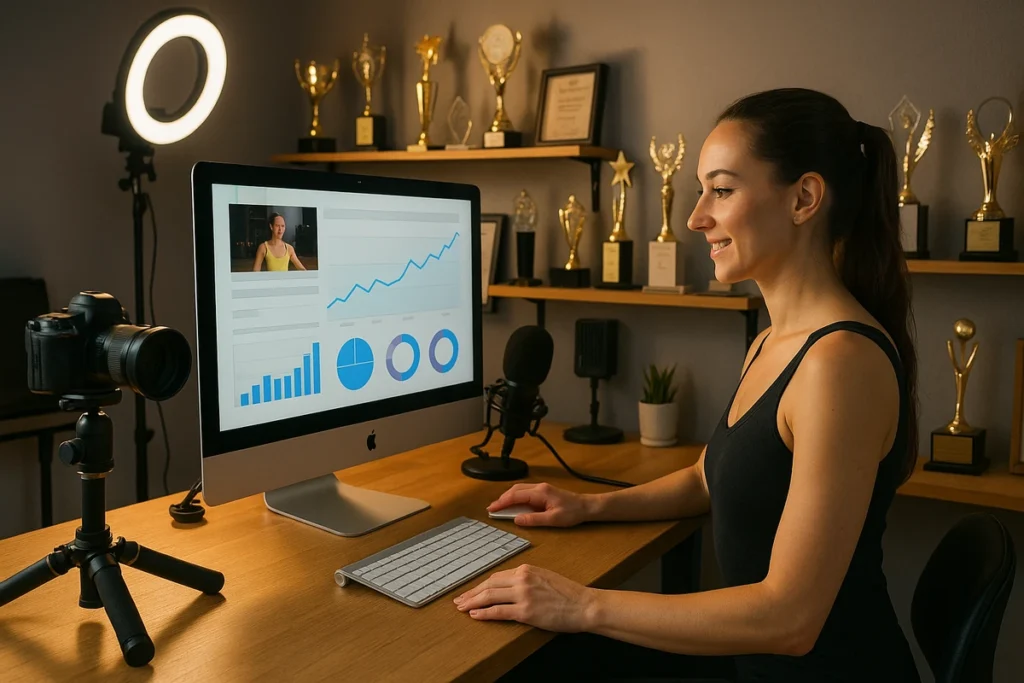
Even the best performance artist website won’t help fill your next show if people don’t hear about it. That’s why promotion needs to continue after your site is ready. Use email, social media, and relevant arts listings to remind people about upcoming performances and bring them back to your website.
Start with email. Add a signup box to your homepage and events page, asking only for a first name and email address. Link to your Privacy Policy underneath so visitors can see how their information will be used.
From there, send three emails per show: an announcement six weeks out, a reminder a fortnight before, and one on the morning of the performance. Give each email a clear link to the event page so subscribers can check the details and book.
Social media can support those emails by showing people what your work looks and sounds like. Use Instagram and TikTok for short rehearsal clips, performance footage, and behind-the-scenes moments, while Facebook can work well for event announcements and local audience reminders. Link each post back to the relevant event page so visitors can check the details and book.
You can also submit your events to local arts newsletters, museums, venues, and what’s-on pages that accept listings. These channels can put your upcoming performance in front of people who already follow local arts events.
For a one-off performance, timing is especially important. A reminder sent close to the event gives interested visitors a chance to check the details and decide whether they can attend.
Give Your Next Performance Art Show the Audience Your Work Deserves
Don’t expect your website to fill the room overnight. It takes time for people to find your work, follow your events, and start coming back. But if you keep your site easy to use and consistently promote your performances, those small efforts can build into a reliable audience over time.
And if you want professional help putting it all together, No Budget Performance can help. Get in touch for a free consultation, and let’s make sure your website is ready to promote your next performance.